Expert Residential Electrician for Protected and Effective Answers
A professional residential electrician plays an essential role in maintaining the security and optimal performance of power systems in residences. These experts are qualified to handle setup, maintenance, and improvements, ensuring adherence to security requirements and regional regulations. Typical problems, like flickering lights or defective wiring, frequently need expert attention. Comprehending the scope of their work presents significant considerations about security, dependability, and sustained condition of a home's electrical infrastructure. What should homeowners think about before engaging?
What Duties Does Residential Electrician Actually Handle?
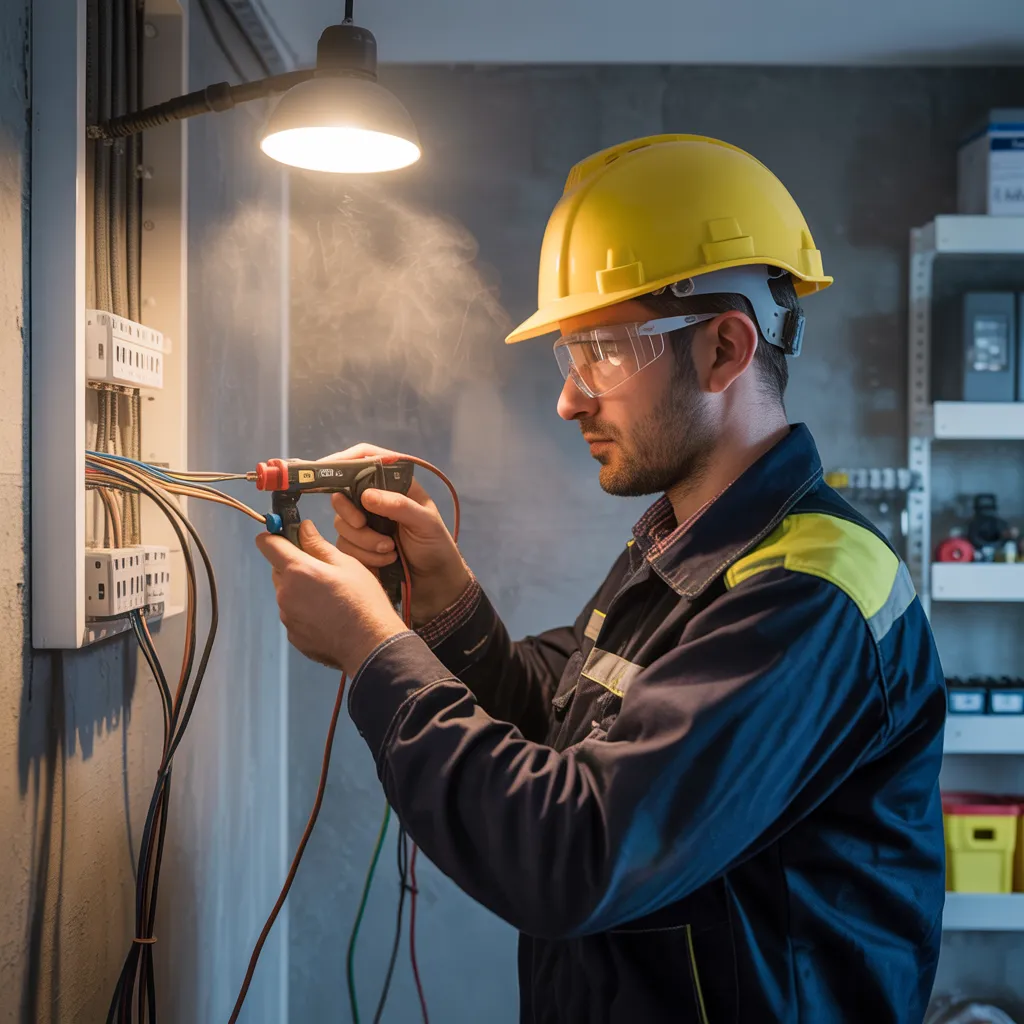
A residential electrician concentrates on the setup, upkeep, and fixing of electrical systems within homes. Their key duties include wiring, circuit installation, and the setup of lighting fixtures. They also identify and resolve electrical issues, making sure that systems function efficiently and safely.
Together with these tasks, residential electricians perform routine examinations to detect potential hazards and confirm adherence with relevant codes. They regularly upgrade existing systems to accommodate new appliances or technology, thereby enhancing a home's functionality.
Furthermore, they offer valuable consultation services, advising homeowners on energy-efficient solutions and creative electrical layouts. A residential electrician also works together with other contractors during renovations or new constructions, ensuring that electrical work blends smoothly with other elements of the project. By leveraging advanced equipment and adhering to industry standards, they play an essential role in preserving a secure and dependable electrical environment in residential settings.
Safety Requirements in Electrical Work: Key Information for Homeowners
What tactics can property owners use to guarantee their electrical systems continue to be protected and regulatory compliant? Understanding safety rules is vital. Power codes, such as the National Electrical Code (NEC), offer a standard for secure installations and practices. Homeowners should determine their systems meet these standards to reduce risks of fire damage and electrical shock hazards.
Routine inspections by a certified electrician can help detect potential risks. Electricians are trained to adhere to local regulations and implement safety protocols. Homeowners should also be knowledgeable of proper load capacities to prevent overload, which can lead to overheating.
Moreover, incorporating certified products and materials is paramount for protecting security. Homeowners must concentrate on the deployment of GFCI outlets in wet areas and verify smoke detectors are active. By staying knowledgeable and proactive about electrical safety standards, homeowners can substantially limit risks and establish a safe living environment.
Standard Electrical Concerns and How Professionals Tackle Them
Homeowners frequently deal with various electrical problems that can create hazards to safe operation and performance. Typical issues feature lights that flicker, breakers that trip, and outlets that fail to work. These issues can result from old-fashioned electrical systems, overloaded circuits, or faulty appliances.
Another common issue is power spikes, which can damage devices and appliances. Ground fault circuit interrupters (GFCIs) may also fail, creating dangers in wet areas like kitchens and bathrooms.
Technicians determine these problems by performing extensive inspections, inspecting wiring quality, and evaluating the demand on circuits. They apply specialized equipment to uncover hidden problems and confirm compliance with regulatory standards.
How to Resolve Usual Wiring Issues With Expert Assistance
Electrical issues frequently demand professional electrician expertise to address. Lights that flicker, frequent circuit breaker tripping, and outlet malfunctions are common problems that can indicate underlying electrical faults. A qualified electrician ensures these issues are identified accurately and resolved safely.
Flickering Lights Solutions providing experienced answers
Flickering lighting can interrupt the ease of any home, pointing to potential electrical concerns that require immediate attention. This typical problem often reveals loose connections, faulty switches, or inadequate wattage. Homeowners should first check if the flickering happens with certain bulbs or throughout the entire house. If it is isolated, swapping the bulb may solve the issue. However, persistent flickering necessitates consultation with a professional residential electrician, who can accurately diagnose and rectify underlying problems. A qualified electrician will inspect wiring, assess circuit loads, and guarantee all connections are secure. Addressing flickering lights promptly not only returns peace but also boosts safety, preventing potential hazards like electrical fires. Professional intervention provides peace of mind and long-term solutions.
Causes for Circuit Breaker Tripping
Frequent circuit breaker tripping can suggest hidden electrical issues that may pose safety risks. Common causes include circuits with excessive load, where too many devices draw power from a single source, causing overheating and tripping. Additionally, short circuits can occur when wires become compromised or frayed, creating a direct path for electricity that skips normal resistance. Ground faults, which happen when a live wire touches a grounded surface, are also problematic. Finally, aging circuit breakers may fail to function properly due to wear and tear. Identifying these issues
Outlet Malfunction Diagnosis
Grasping the potential problems related to circuit breakers evidently highlights the significance of troubleshooting outlet malfunctions. Outlet issues can occur as flickering lights, non-working devices, or odd noises from the outlet itself. These signs often reveal underlying electrical issues that need professional assessment. A qualified electrician will start by inspecting the circuit for overloads, loose connections, or faulty wiring. They may also verify proper grounding and voltage levels to ensure safety. Addressing such malfunctions quickly is imperative, because neglect can cause more dangerous hazards, including electrical fires. Using a professional guarantees that homeowners' electrical systems operate effectively and safely, protecting both their property and peace of mind.
Why Bring on an Expert for Electrical Upgrades?
Upgrading electrical systems can significantly improve a home's performance and security, making expert assistance essential. Homeowners often miscalculate the intricacies of electrical upgrades, which can create costly mistakes or dangerous conditions. Professional electricians maintain the necessary training and experience to understand local codes and regulations, ensuring that upgrades are compliant and safe.
Also, professionals can evaluate a home's specific electrical needs, advising customized solutions that optimize output and energy management. They applicable information are furnished with the right tools and knowledge to handle potential challenges, such as outdated wiring or limited load capacity. This mastery not only reduces dangers but also extends the service life and trustworthiness of the power supply.
Ultimately, hiring a qualified electrician for improvements not only safeguards a home but also provides peace of mind, understanding that the work is done correctly and efficiently, thereby increasing the expenditure in the property.
Understanding Your Electrical Inspection Needs?
During an power system evaluation, property owners should anticipate a thorough evaluation founded upon a common checklist that highlights key components of their setup. Inspectors will assess adherence to security regulations to ensure the electrical setup is efficient and safe. Understanding these expectations assists property owners prepare for a successful inspection process.
Routine Inspection Guideline Items
A thorough electrical review typically requires various essential checklist items that confirm safety and compliance with standards. Inspectors often start out by looking at the service panel for proper grounding and stable contacts. They inspect cable work for any marks of wear, damage, or improper installation. Protection devices and safety fuses are evaluated to make sure they are working as intended and sufficiently rated for the load. Additionally, wall outlets and electrical switches are checked to assure they are earthed properly and free from problems. Fire detection devices and carbon monoxide detectors are also checked for proper operation. In the end, the inspector reviews any modifications or additions to the electrical system to ascertain they adhere to area codes and standards, ensuring the general safety of the home's electrical framework.
Safety Standards Compliance Overview
Following an thorough inspection checklist, understanding compliance with safety standards is important for homeowners. Adherence to electrical safety standards ensures that electrical installations meet both federal and local regulations, minimizing hazards from electrical dangers. Property owners can anticipate the electrician to verify proper grounding, circuit integrity, and the use of certified materials. Furthermore, adherence to the National Electrical Code (NEC) is essential, as it defines the baseline safety requirements for electrical installations. During assessments, electricians will assess the operation of smoke alarms and carbon monoxide alarms, ensuring they operate correctly. By focusing on safety standards, property owners not just preserve their residence but furthermore ensure the welfare of their household members. Ultimately, compliance establishes confidence in electrical work and promotes ongoing safety.
How to Identify the Most Suitable Electrical Technician for Your Home
Determining the best electrical professional for your home can feel complicated—what points should one consider? First, validating credentials is critical. A licensed electrician establishes that they have satisfied the needed education and standards. Homeowners should also check insurance details, as this safeguards against potential liabilities during the service.
Experience serves as another key requirement; practitioners with a solid track record are often more effective at resolving various issues. Looking at reviews and receiving referrals can furnish insight into their consistency and excellence of work.
Moreover, collecting multiple quotes supports homeowners compare pricing and services, verifying they obtain a fair deal. Verbal skills are comparably important; an electrician ought to present issues and solutions clearly.
Finally, assessing their familiarity with local regulations and standards can avert future complications. By methodically analyzing these elements, homeowners can formulate an informed choice, ultimately securing safety and performance in their electrical projects.
Frequently Asked Queries
How Much Does It Cost to Hire a Residential Electrician?
The rate for retaining a home electrician generally ranges between $50 to $100 per hour, depending on your location and the degree of difficulty of the task. Supplementary charges might be applied for materials and urgent work, modifying the total price.
What timeline for an Electrical Project On Average?
An electrical work typically takes a few hours to several days, depending on its complexity and scope. Simple repairs may need minimal time, while larger installations or renovations can extend the duration significantly.
What Credentials Should I Seek in an Electrician?
When pursuing an electrical professional, one should focus on skills such as proper licensing, insurance, pertinent background, and good client testimonials. Additionally, credentials in niche expertise can strengthen their standing and assure quality workmanship.
Is Urgent Electric Service Accessible?
Emergency electrical services is certainly obtainable. Many electrical technicians offer 24/7 support for critical concerns, providing quick response times and fixes to return security and operation. Homeowners should establish availability and turnaround before emergencies occur.
Can I Undertake Electrical Projects Myself in a Lawful Way?
In many jurisdictions, individuals can legally perform electrical work on their own properties, but regulations differ. It's essential to review local codes and safety standards to guarantee compliance and prevent potential hazards or fines.